SERVICES
Concrete Cancer Diagnosis & Structural Repair Sydney
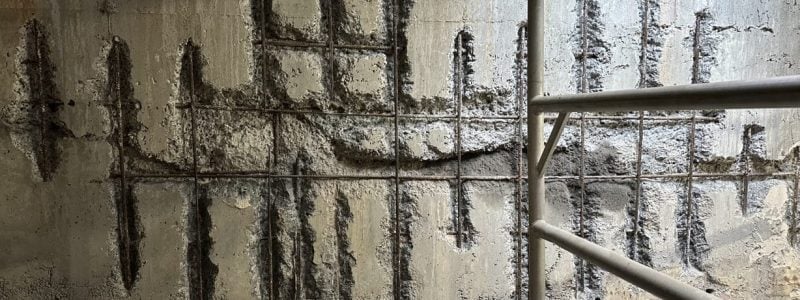
What is concrete cancer? Also known as concrete spalling or chloride-induced corrosion, concrete cancer is the deterioration of reinforced concrete. It is caused by moisture, oxygen, and chlorides penetrating the surface and causing the embedded steel rebar to rust.
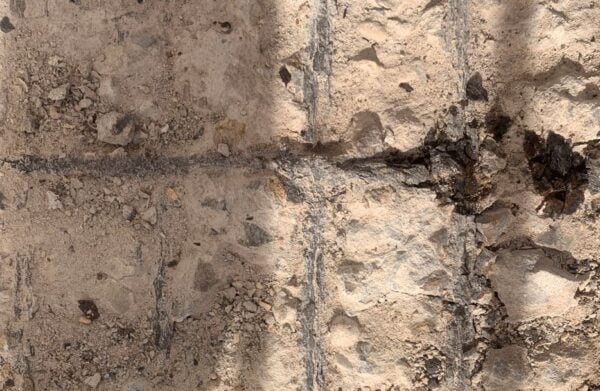
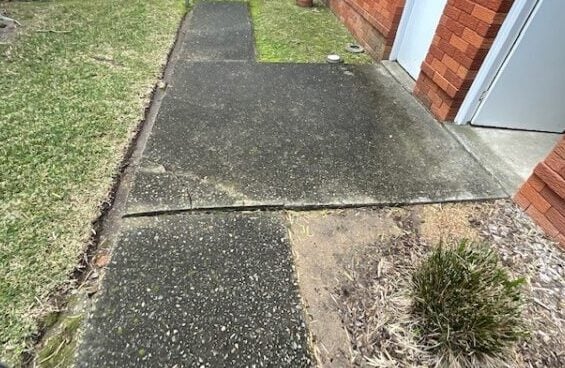
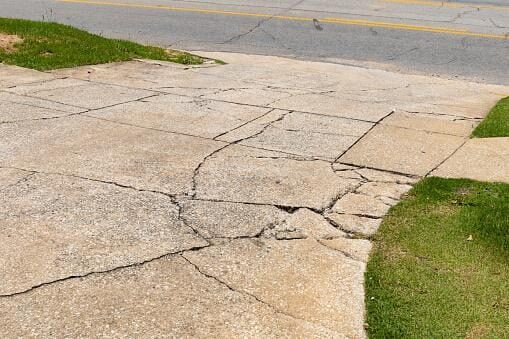
As the rust expands, up to multiple times the steel’s volume, the concrete can crack and break. This is referred to specifically as spalling. Without concrete cancer repair, it can compromise the structural integrity of buildings, balconies, and coastal structures throughout Sydney.
Early concrete cancer diagnosis and spalling concrete remediation with BIM Remedial Sydney prevents costly structural concrete repair.
Sydney’s coastal environment and ageing strata building stock make reinforced concrete structures particularly vulnerable to concrete cancer. Suburbs such as Bondi, Manly, Coogee, Cronulla, and Balmain face elevated chloride exposure from salt-laden ocean air, accelerating the onset of chloride-induced corrosion in balconies, car parks, and facades.
Further inland, high-density precincts including the Sydney CBD, North Sydney, Parramatta, and the Inner West are home to large volumes of reinforced concrete residential and commercial buildings constructed between the 1960s and 1990s, many of which are now presenting early to advanced signs of concrete cancer. Owners corporations, strata managers, and structural engineers across Greater Sydney rely on BIM Remedial Sydney for accurate concrete cancer diagnosis and compliant structural concrete repair solutions that meet NSW building regulations and Australian Standards.
Request your concrete cancer diagnosis Sydney today.
Specialists in Structural Concrete Repair Sydney
Are you a structural engineer, strata manager, or owners corporation representative? Always make sure you use a licensed remedial contractor for your concrete cancer diagnosis and structural repair needs.
Whether it’s a reinforced concrete assessment due to visible spalling or routine building condition reports, our team can help you with all things concrete cancer diagnosis and repair.
Our concrete cancer diagnosis Sydney services identify chloride-induced corrosion in reinforced concrete. We accurately assess the extent to which moisture is causing steel rebar rusting, expansion, and spalling concrete to offer fit-for-purpose remediation solutions.
Our Expert Structural Concrete Repair Solutions Include:
- Reinforced concrete assessment
- Removing damaged concrete
- Treating corroded steel
- Applying epoxy mortars or protective coatings
- Restoration of building integrity
- Preventative remedial measures

Do you need Concrete Cancer Diagnosis and Repair in Sydney?
How does concrete cancer start and when does it become a problem?
There are two causes of concrete cancer:
- Chloride-induced corrosion
- Carbonation-induced corrosion
What is chloride-induced corrosion?
Chloride-induced concrete cancer occurs when salt-laden moisture seeps into the concrete. This can include moisture from coastal air or de-icing chemicals. As the moisture attacks the steel reinforcement it then triggers rust expansion, i.e., concrete cancer progresses, and causes cracking and spalling along the surface. If you notice these signs in your concrete, you need prompt concrete cancer diagnosis Sydney.
What is carbonation-induced corrosion?
Carbonation-induced corrosion happens as carbon dioxide in the air reacts with concrete over time. It causes a reduction in the concrete’s protective alkalinity and allows uniform rebar rusting. This progresses and further expands and corrodes the material. An expert reinforced concrete assessment identifies the exact cause of the concrete cancer to ensure effective structural concrete repair Sydney and spalling concrete remediation.
Concrete Cancer Diagnostic Methodology: How do we conduct reinforced concrete assessments
The BIM Remedial Sydney specialists provide thorough onsite concrete cancer diagnoses Sydney-wide. If you detect rust stains, cracking, or crumbling in your concrete, make sure to reach out for a custom and cost-effective concrete cancer diagnosis, to protect your building from safety risks and structural failure.
Our concrete cancer diagnostic methodology includes:
1. Visual inspection
First, our experts conduct an onsite investigation of signs of concrete cancer: rust stains, cracking, spalling, or delamination. This helps us determine the extent of the damage, cause and optimised concrete cancer repair solution.
2. Non-destructive testing
To ensure an accurate concrete cancer diagnosis, we then deploy meters, percussion sounding, and moisture probes. This allows us to map the rebar location, cover depth, and corrosion activity without invasive damage to the concrete itself. We may also use other methods such as concrete integrity scans using specialised equipment.
3. Chloride and Carbonation Reinforced Concrete Assessment
The next step is to identify whether the cause of the concrete cancer is chloride-induced corrosion or carbonation-induced corrosion. We do this by extracting dust samples via drilling to test chloride content and pH levels.
4. Concrete Cancer Diagnosis and Repair Solution
Our remedial specialist will put together detailed findings regarding the cause, extent of and repair options for your concrete cancer diagnosis. Our reinforced concrete assessment will advise you of the safety risks and extent of your building’s structural integrity, with tailored, cost-effective solutions for comprehensive concrete cancer repair.
The BIM Remedial Sydney team offers end-to-end structural concrete repair in Sydney. We maintain best-practice methodology for industry-leading standards and completely regulatory compliant solutions.
Customised concrete cancer repair quote
Once we have inspected and diagnosed the damage, you will receive a customised quote outlining scope, materials, timeline, and costs for spalling concrete remediation.
Structural concrete repair
Our first step is to safely remove the concrete cancer and sections impacted by chloride-induced corrosion or carbonation-induced corrosion. This halts further concrete cancer and removes the weak, compromised concrete.
Reinforcing concrete and structures
The corroded steel is then cleaned and protected with reinforcement in compliance with industry regulation for residential, commercial, and industrial properties.
Rebuild and protection
Where necessary, the concrete cancer-impacted areas may require a high-quality rebuild with restored integrity and further protective coatings for greater durability in Sydney's harsh environment.
Compliance and handover
Our concrete cancer repair work comes with a guarantee of compliance with all relevant standards and regulations ensuring peace of mind with your long term concrete solutions.
Relevant Australian Standards & Codes
All concrete cancer diagnosis Sydney-wide carried out by our team comply with the relevant codes and standards in Australia.
These include:
- AS 3600 – Concrete Structures: This standard outlines the industry design and performance requirements of all concrete-based structures.
- AS 1379: Specification and Supply of Concrete: These standards outline the required material quality in remediation.
- AS 3735 – Concrete Structures for Retaining Liquids: This policy outlines relevant standards for concrete-production, i.e., tanks and treatment plants.
- 2 Waterproofing Above Ground: Design & Installation: This policy outlines the requirements for above-ground external waterproofing membranes in buildings and concrete structures.
- HB 84 Guide to Concrete Repair and Protection: This handbook outlines standards and practices for the maintenance, repair and production of concrete structures.
- AS/NZS ISO 9001: Sections of the Australian standards outline quality management for construction processes.
- National Construction Code (NCC): The Code details the minimum standards for structural integrity and safety.
Frequently Asked Questions
How do you know if concrete cancer has reached the reinforcement?
There are a few signs to look out for: Rust stains, bulging cracks, or delamination could be indications of rebar corrosion or lead to a concrete cancer diagnosis. The BIM Remedial Sydney team uses cover meters and profiling to confirm steel exposure needing reinforced concrete assessment.
What is the difference between spalling and concrete cancer?
Spalling is a term that refers to the surface of the concrete flaking from wear. On the other hand, concrete cancer is damage from the internal rebar rust and expansion causing deeper cracking. This can prompt spalling and require concrete remediation.
Can concrete cancer be stopped without full break-out?
Yes. If the concrete cancer repair is caught early and diagnosed accurately, various methods can be used: Such as inhibitors, cathodic protection, or coatings to halt chloride-induced corrosion without full removal.
Does concrete cancer repair require a structural engineer?
Yes it does. Concrete cancer diagnosis in Sydney and spalling concrete remediation needs a qualified engineer and remedial construction specialist to assess the extent of the problem, specify the reinforcement concrete assessment and ensure compliance with concrete cancer repair from beginning to end.
How long does a concrete cancer repair last?
With BIM Remedial Sydney’s expertise, our concrete cancer repair can last a minimum of 20 years and often upwards of 50-plus. The expected lifetime of your concrete will depend on various factors such as environment, usage and maintenance. For a custom and accurate assessment, make sure to speak to a remedial specialist from our team today.
Is concrete cancer covered under strata insurance?
Most likely not. This is because it is often considered gradual deterioration, however we recommend you check your specific policy for coverage for sudden damage. It is also worth noting that stratas often fund reinforced concrete assessments via ongoing levies.
Request a Concrete Cancer Assessment
When you bring in the team here at BIM Remedial Sydney, our site inspectors will conduct a comprehensive concrete cancer diagnosis. This includes visual inspections, non-destructive testing, and chloride/carbonation profiling to assess any damage, the extent of the cancer, and recommend any structural concrete repair requirements.
Receive a detailed written scope and customised, competitive quote within 48 hours; that’s fast, compliant, and reliable spalling concrete remediation.
Book your free site inspection and concrete cancer diagnosis Sydney today with the fully licensed, completely certified BIM Remedial Sydney team with over 20 years of experience.
Call us today on 02 9938 1740 or email us at quotes@bimsydney.com.au or contact us online for a free quote.