A proactive maintenance plan for your commercial property must include waterproofing. And commercial waterproofing maintenance must start long before you see a leak.
Fortunately, the team here at BIM Remedial Sydney not only advises you on how to build a proactive maintenance plan to avoid future costly repairs, but can provide those maintenance services ourselves to help protect the value of your asset over the long term.
Explore our comprehensive waterproofing services here.
What Is a Proactive Waterproofing Maintenance Plan?
A proactive commercial waterproofing plan should contain the following basic elements:
- A regular structure (i.e., not only a reactionary solution when an issues arise)
- Frequent professional inspections
- Lifecycle-based upgrades
- Inclusion of high-risk areas, such as:
- Roofs
- Podiums
- Basements
- Balconies
- Facades
- Season and weather aligned maintenance
- Long-term applicability for the life of your commercial asset
Why Is Proactive Maintenance So Important?
Whether you are a property owner or a strata manager, it can be tempting to simply have “let’s cross that bridge when we get to it attitude”. After all, why is proactive maintenance better than reactive repairs?
Reactive repairs only take place when you see some form of visible waterproofing related issue.
If you notice a leak that actually means that water has already penetrated the finishes and the structure which could make the damage far worse in scope and repair cost.
Deferring waterproofing maintenance can more than double the cost it would have required if you had engaged in proactive, instead of reactive, maintenance.
With a proactive waterproofing plan, you ensure:
- You catch small waterproofing problems before they escalate (such as cracks, failed sealant and ponding)
- You preserve the structural integrity of your commercial asset
- You reduce cost, downtime, complaints and disturbance, and need to engage in insurance claims
What Goes Into a Proactive Waterproofing Maintenance Program?
For more specific and detailed information, make sure to reach out to our team of remedial waterproofing experts at BIM Remedial Sydney.
However, for now, key elements of our waterproofing maintenance schedule would typically include:
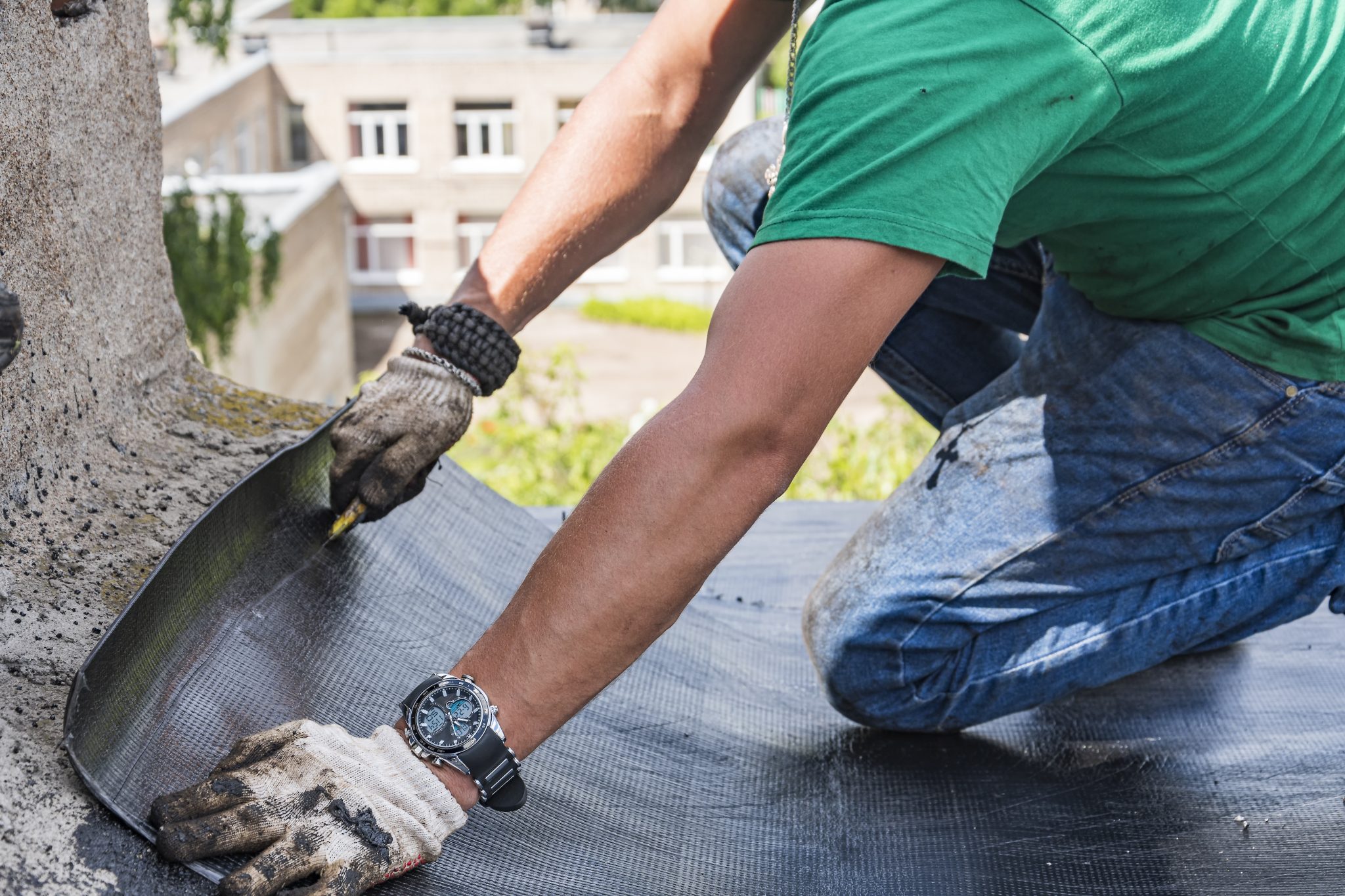
- Routine visual inspections of your building with a focus on membranes, joints, flashings and penetrations
- Preventive resealing and recoating where required
- Localised repairs if needed
- Drainage and gutter cleaning to ensure water continues to move away from the structure
- Comprehensive documentation of findings through photos
- Assessment of the asset condition history
What Goes Into a Waterproofing Inspection Checklist?
A good waterproofing inspection checklist will balance overall building inspection with close examination of high-risk areas. It should cover both visual condition assessments, such as visible leaks, and functional checks, such as drainage performance.
A basic checklist of items for inspection should include:
- Condition of membranes: Including the visual inspection for blisters, cracks, punctures, or UV damage.
- Sealants: Checking the adhesion, splitting, gaps at joints and penetrations throughout the building.
- Flashings and terminations: Making sure they are secure, continuous and correctly detailed.
- Drains, gutters and downpipes: Including the removal of blockages, ponding, and overflow marks.
- Internal signs: Checking for signs such as stains, mould, musty odours and efflorescence.
How Often Should Commercial Waterproofing Be Inspected?
The frequency of your proactive commercial waterproofing program will depend on a few factors:
- How old is your building?
- What level of exposure does it have to various elements which could affect waterproofing?
- What waterproofing system does it have?
Older buildings or those structures that are located in particularly harsh coastal or high‑UV environments may need more frequent inspections.
For most standard commercial buildings, annual inspections are a bare minimum. If your building is subject to a severe weather event, like a storm, it is certainly worth organising an additional inspection accordingly.
Which Areas of a Commercial Property Are Most at Risk of Water Ingress?
Certain parts of a commercial building tend to be more exposed to the elements and movement. Thus they are prime candidates for requiring proactive waterproofing maintenance. High‑risk areas typically include:
- Roofs and podiums with membranes
- Plant decks
- Solar installations
- Basements
- Retaining walls
- Car parks
- Balconies
- Terraces
- Planters
- Façades
- Window interfaces
- Movement joints
FAQs: Commercial Waterproofing Maintenance
How often should commercial roofs be inspected for waterproofing issues?
Most commercial buildings should be inspected in detail once per year, plus additional checks after extreme weather events.
What are early warning signs that your waterproofing requires fixing?
Common early signs include ponding water, noticing hairline cracks, failed sealant, efflorescence, internal staining on walls or roofs, mould or odours near external walls.
Is preventive waterproofing maintenance more cost‑effective than reactive fixes?
Yes. Planned maintenance and timely repairs before issues spiral into large problems will significantly reduce long‑term repair costs.
Can tenants stay in place during waterproofing maintenance?
In most cases, yes. Proactive and preventive inspections can often be completed with minimal disruption, especially when scheduled outside peak hours and coordinated with your building’s residents movement.
How do drainage and cleaning support waterproofing performance?
Even high-quality waterproofing can fail to prevent issues if water is allowed to pool. Well-maintained drainage ensures hydrostatic pressure doesn’t build up and that the water finds a path to drain without damaging membranes and sealants.
Practical drainage maintenance includes:
- Debris removal roof gutters, scuppers and balcony outlets
- Checking falls and ponding areas
- Ensuring downpipes, sumps and pumps are operational and clear
When should sealants and membranes be renewed?
Sealants and membranes are subject to finite lifecycles. Additionally they can be eroded by UV exposure, movement, traffic and ponding. It is necessary to renew these protective elements before visible failure to ensure that there isn’t significant hidden damage that will be costly and disruptive to repair.
How Can BIM Remedial Sydney Support Your Proactive Maintenance Plan?
Commercial waterproofing is complex, necessary and subject to significant regulatory requirements.
Fortunately, BIM Remedial Sydney can help:
Our team will ensure regular expert inspections of your commercial waterproofing structures and systems. We will recommend priority repairs and lifecycle upgrade strategies that are practical and budget-aligned for your specific needs.
Plus, we are a team of local specialists, so we know how to customise our commercial waterproofing services for the Sydney environment and area.
Whether you need urgent remedial works, waterproofing diagnostics or proactive ongoing maintenance for your commercial asset, speak to our team today.